
- Intermarket
- Luanda, Angola
- Brand strategist · Creative director
- Brand Strategy
- Brand Identity
- Web Design & Development
- Retail Space Design
- Advertising
- Social Media
The brands people trust most aren't the ones with the most on the shelf. They're the ones people believe before they check the price.
A dynamic brand that could show up differently every season without ever looking like a different company.
Supermarket chains in fast-growing retail markets had spent years competing on the same three things: more shelf space, more locations, lower prices. The assumption was simple. Whoever stocked the most and charged the least would win the loyalty.
It sounds logical. It also explains why so many supermarkets start to blur together, in Angola and everywhere else. A shopper can tell you which store is closest. Ask which one they trust, and the answer gets much harder.
When Intermarket, a supermarket chain based in Luanda, the capital of Angola, came to me for a brand identity, it wasn't short on inventory or ambition. It had built a world-class butchery and a selection of international products unmatched anywhere in the country. What it didn't have yet was a brand that made shoppers feel that difference before they'd walked a single aisle.
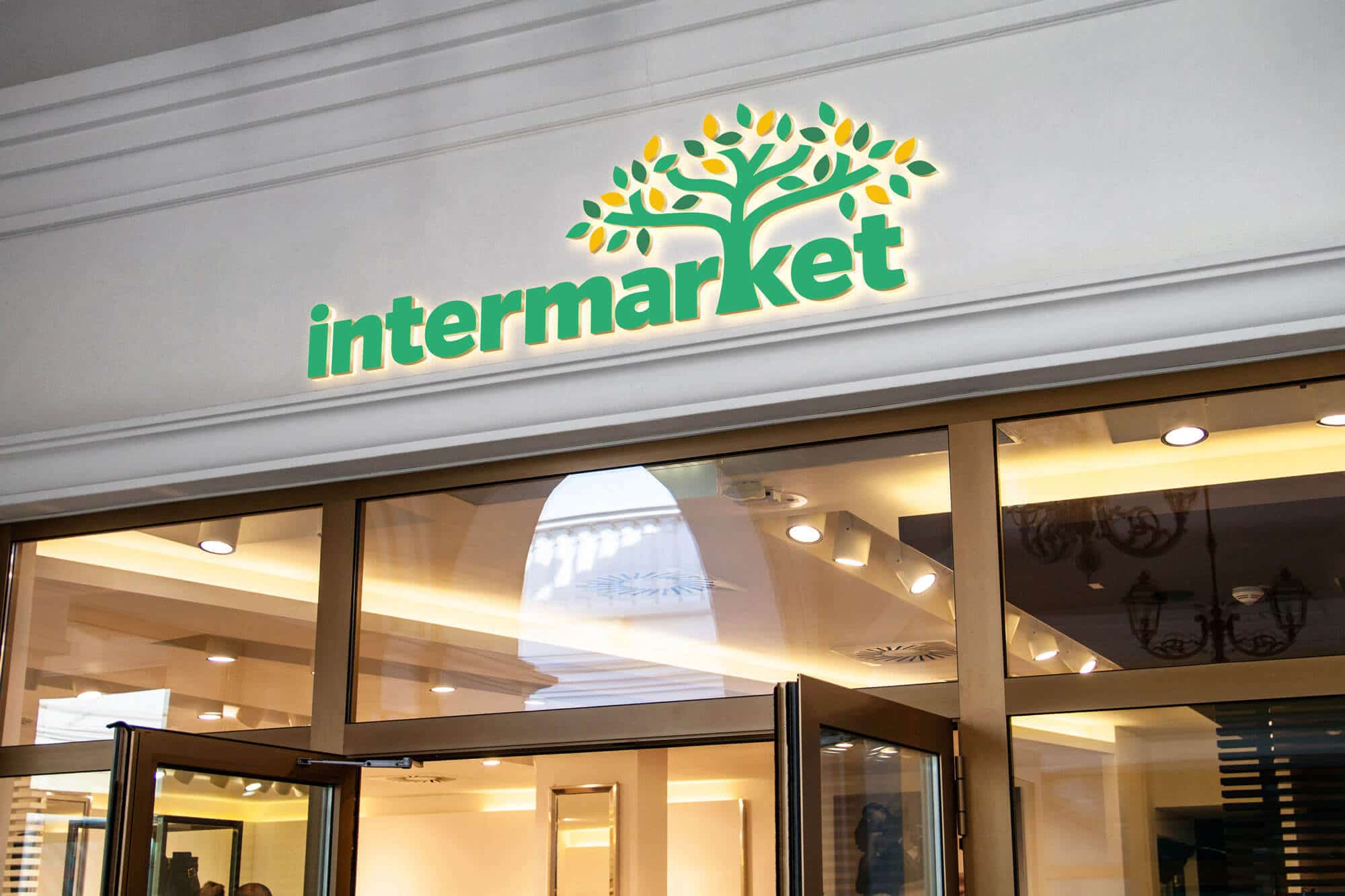
I didn't think the opportunity was in adding more to the shelves. I thought it was in making freshness the thing people trusted Intermarket to deliver, ahead of anyone else.
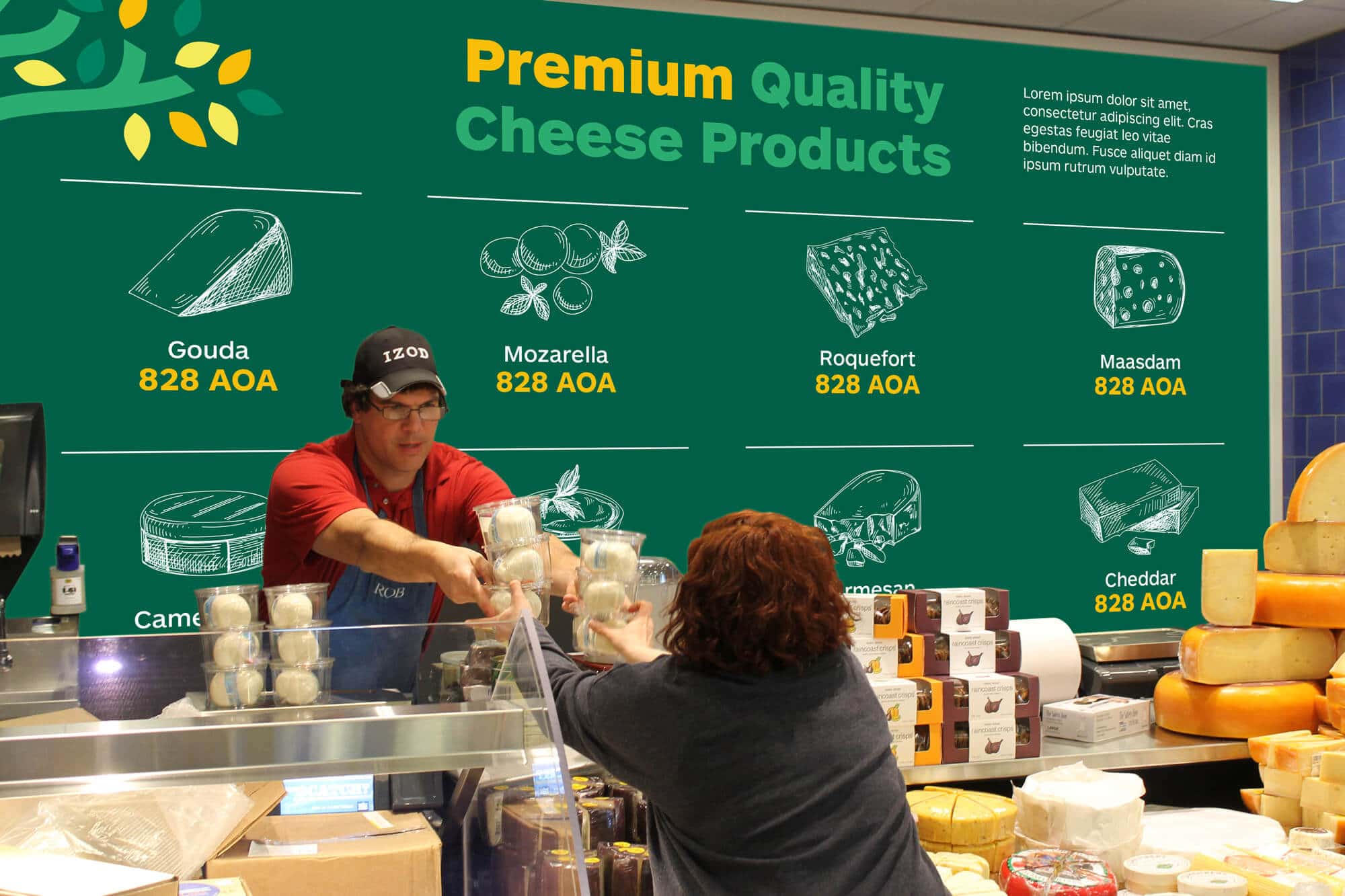
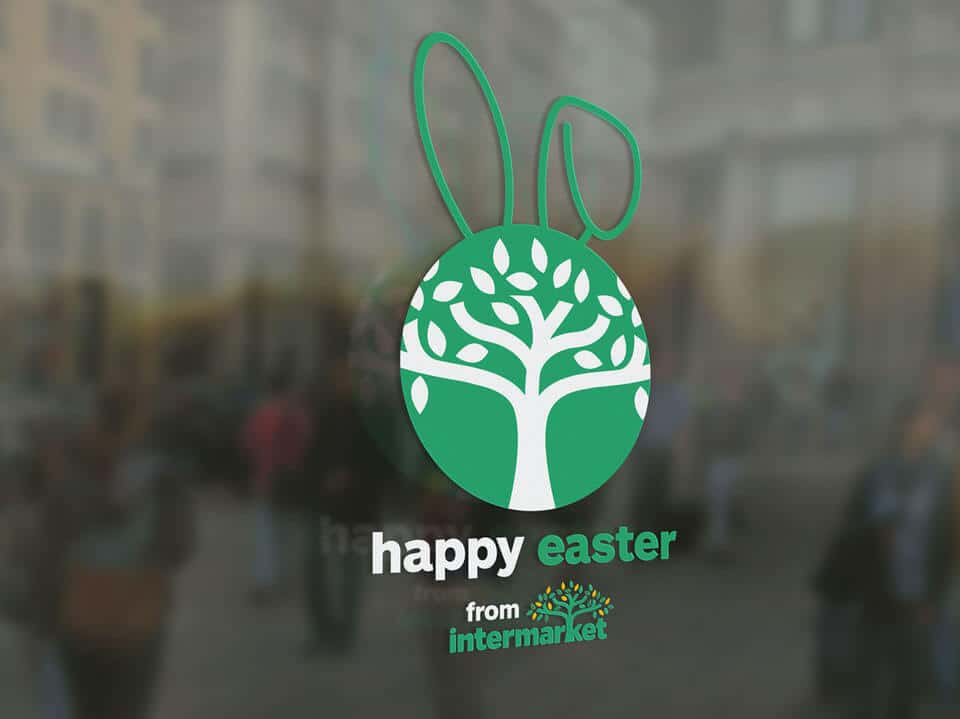
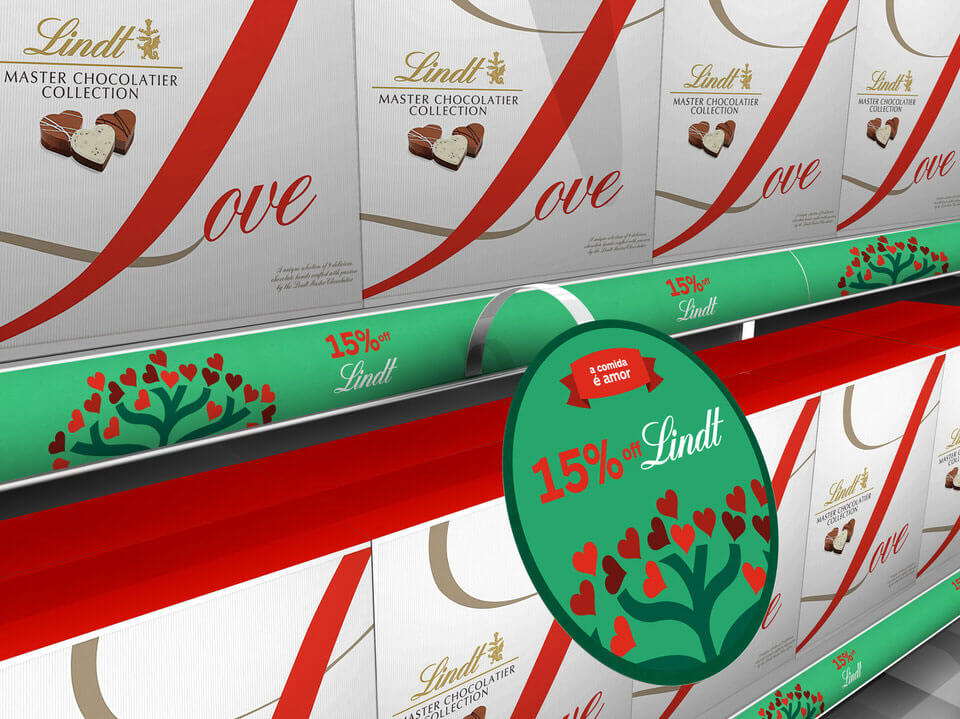
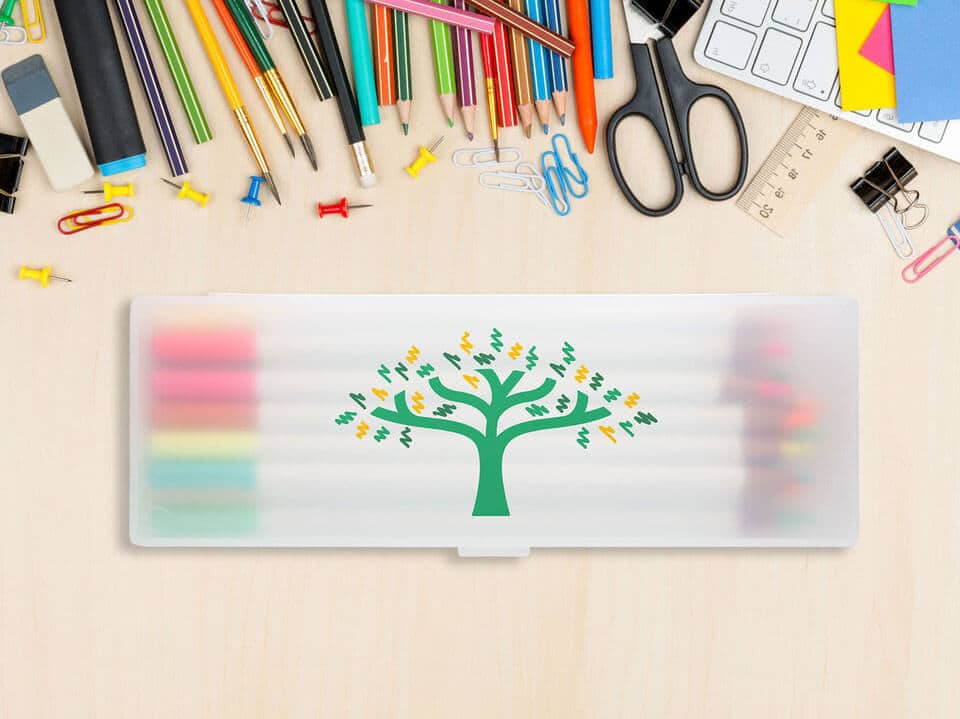
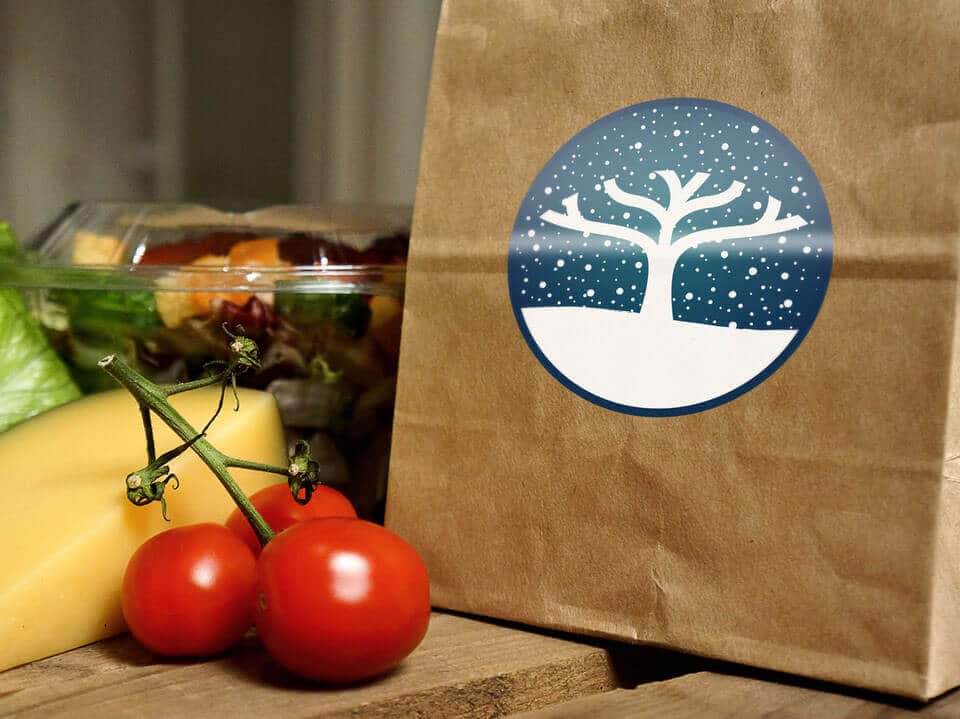
I built the identity around the baobab tree, a tree found across the African continent, often called the tree of life, and long regarded as a symbol of nourishment, community and endurance. A logo built around a fixed symbol works for a brand that never has to change. Intermarket needed the opposite: a brand that could show up differently every season and every campaign without ever looking like a different company. So instead of a static mark, I designed one that behaved the way the tree itself does, changing shape and color with the seasons while staying unmistakably itself. I led the multidisciplinary team that carried that system across product displays, signage, billboards, packaging, wayfinding, social media, retail space design and the brand's new website.
The flexibility showed up most clearly in the moments that had nothing to do with groceries. When World Cup fever hit Angola in 2018, Intermarket didn't run a discount. It invented its own football team, gave it a badge and colors, and turned its shelves into a stadium of snacks. When the country's holiday tradition of gifting food baskets came around that same year, not unlike how American families build a gift basket around ham or cookies at Christmas, Intermarket didn't need a new campaign built from nothing. It had a brand elastic enough to hold Christmas the same way it had held football season. And when the brand turned one year old, the anniversary campaign didn't celebrate a logo. It celebrated what the logo had stood for from the start: the joy of fresh food, delivered consistently enough to be trusted.
None of it would have worked if freshness had stayed a claim on a shelf sign instead of becoming the brand's reason for existing.
Intermarket didn't need to be the biggest supermarket in Luanda. It needed to be the one people trusted before they'd even checked the price.